

Are Linen Curtains Worth It? Pros & Cons Explained
Linen curtains have become one of the most popular choices in modern interior design thanks to their natural texture, soft drape, and timeless aesthetic. But when it comes to investing in custom window treatments, many homeowners still ask the same question: Are linen curtains really worth it?
At Lazzzy Deco, with over 40 years of experience in custom curtain craftsmanship, we’ve worked with thousands of linen installations across different home styles. In this guide, we’ll break down the real pros and cons of linen curtains so you can decide whether they’re the right choice for your space.
Quick Answer: Are Linen Curtains Worth It?
Yes—linen curtains are worth it for most homes if you value:
- Natural, breathable fabric
- Soft, elegant light filtering
- Long-term durability and timeless style
However, they may not be ideal if you prefer completely wrinkle-free fabrics or full blackout performance without lining.
What Makes Linen Curtains So Popular?
Linen is made from natural flax fibers, giving it a distinctive textured weave that synthetic fabrics cannot replicate.
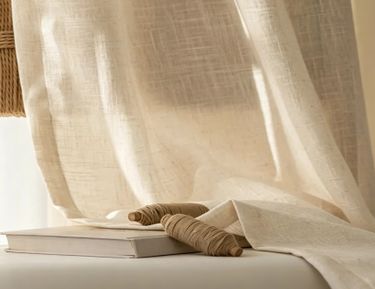
When sunlight passes through linen curtains, it creates a soft, diffused glow that makes any room feel warmer and more relaxed. This is why linen is often used in minimalist, Scandinavian, and modern luxury interiors. Unlike synthetic curtains, linen also ages gracefully—becoming softer and more refined over time rather than wearing out visually.
If you want to understand how to properly maintain linen curtains without shrinkage or damage, you can refer to our linen curtain care guide.
Pros of Linen Curtains
1. Natural and Timeless Aesthetic
Linen curtains bring a relaxed yet elevated look to interiors. Their slightly uneven texture adds depth and character, making them suitable for both modern and classic homes.
Unlike trend-based fabrics, linen rarely goes out of style, which makes it a long-term design investment.
2. Soft Light Filtering Effect
One of the biggest advantages of linen curtains is their ability to gently filter natural light.
Instead of blocking sunlight completely, linen diffuses it into a soft glow, reducing harsh shadows while keeping a bright and airy atmosphere.
This makes linen especially popular for:
- Living rooms
- Dining areas
- Bedrooms with natural light
3. Breathable and Comfortable Fabric
Linen is a highly breathable natural fiber that helps regulate airflow in the home.
Compared to heavier or synthetic fabrics, linen feels lighter and more natural, contributing to a comfortable indoor environment throughout the year.
4. Durable and Long-Lasting Material
High-quality linen is surprisingly strong due to the structure of flax fibers. With proper care, linen curtains can last for many years while maintaining their texture and elegance.
In fact, linen often becomes softer and more beautiful over time instead of deteriorating quickly like synthetic alternatives.
5. Eco-Friendly Natural Fiber
Linen is considered one of the more sustainable textile options because it is derived from flax plants, which require less water and fewer chemicals compared to many synthetic fabrics.
For homeowners prioritizing eco-conscious design, linen is often a preferred choice.
Cons of Linen Curtains
1. Linen Wrinkles Easily
One of the most well-known characteristics of linen is its tendency to wrinkle.
While many designers consider this part of its natural charm, others may prefer a more structured or perfectly smooth look.
If you prefer crisp, formal curtains, linen may require occasional steaming.
2. Limited Blackout Performance (Without Lining)
Pure linen is a light to medium-weight fabric, which means it does not fully block sunlight on its own.
For bedrooms or spaces requiring darkness, linen curtains are often paired with blackout or thermal lining to improve functionality.
3. Higher Initial Cost
Linen curtains are generally more expensive than polyester or cotton alternatives due to the quality of natural fibers and more complex production process.
However, many homeowners view this as a long-term investment because of linen’s durability and timeless appeal.
4. Requires Gentle Maintenance
Linen does not require frequent washing, but it does require careful handling when cleaning.
Best practices include:
- Regular vacuuming with a soft brush attachment
- Steam cleaning for wrinkles
- Gentle spot cleaning when necessary
- Avoiding high-heat drying
Linen Curtains vs Other Fabrics (Quick Comparison)
- Linen vs Polyester: Linen looks more natural, and polyester is easier to maintain
- Linen vs Cotton: Linen is more textured and breathable
- Linen vs Velvet: Linen is lighter, velvet is more insulating and formal
Each fabric serves a different design purpose, but linen remains the most balanced option for natural elegance.
If you are comparing linen with more functional curtain types such as blackout options, you may also find our guide on curtain opacity differences helpful.
Who Should Choose Linen Curtains?
Linen curtains are ideal for you if:
- You prefer natural, organic interior styles
- You want soft, diffused natural light
- You value long-lasting, timeless materials
- You are designing modern or minimalist spaces
They may not be ideal if:
- You need full blackout without lining
- You prefer perfectly smooth, structured fabrics
- You want very low-maintenance synthetic materials
Final Verdict: Are Linen Curtains Worth It?
Linen curtains are absolutely worth it for homeowners who value aesthetics, natural materials, and long-term design quality.
While they do require slightly more care than synthetic fabrics, the visual warmth, texture, and timeless elegance they bring to a space make them one of the most rewarding curtain choices available.
At Lazzzy Deco, we believe linen is not just a fabric—it is a design statement that evolves beautifully with your home over time.
Frequently Asked Questions About Linen Curtains
Are linen curtains a good choice for homes?
Yes, linen curtains are a great choice for most homes. They offer a natural, breathable texture, soft light filtering, and a timeless look that works well in both modern and classic interiors. However, they may require light maintenance and are often paired with lining for better privacy or light control.
What are the disadvantages of linen curtains?
The main disadvantages of linen curtains include their tendency to wrinkle easily, limited blackout performance without lining, and a higher price compared to synthetic fabrics. They also require gentle care to maintain their natural texture and longevity.
Why are linen curtains more expensive?
Linen curtains are more expensive because they are made from natural flax fibers, which require more complex harvesting and production processes. The fabric is also more durable, breathable, and long-lasting than many synthetic alternatives, making it a premium material in interior design.
How long do linen curtains last?
With proper care, high-quality linen curtains can last many years. In fact, linen tends to soften and improve in appearance over time rather than deteriorate quickly, especially when maintained with gentle cleaning and regular dusting.
Can 100% linen curtains be washed?
Yes, but with caution. 100% linen curtains should be washed using gentle cycles or professionally cleaned to avoid shrinkage or fabric damage. In most cases, light vacuuming and occasional steaming are recommended for regular maintenance.
What is the best curtain material for modern homes?
The best curtain material depends on your needs. Linen is ideal for a natural, relaxed, and elegant look, while cotton offers simplicity and polyester provides low-maintenance durability. For modern interiors, linen remains one of the most popular choices due to its soft texture and timeless aesthetic.